Trek guide
Kashmir Great Lakes trek
The Kashmir Great Lakes trek is one of the most beautiful high-altitude routes in the region, but it should be planned like a real expedition. Fitness, weather, altitude, camping logistics, and trained support matter more than a simple sightseeing checklist.
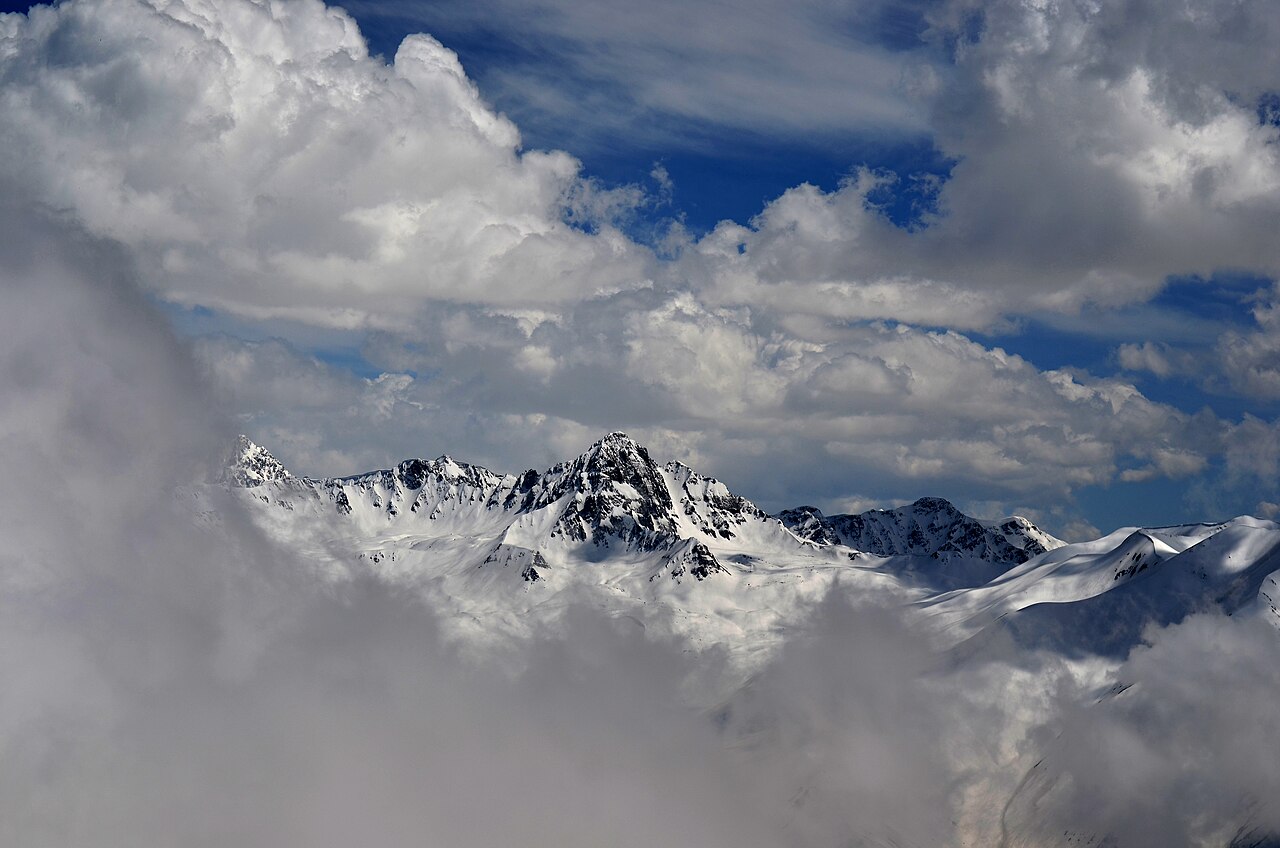
Who the trek suits
This trek suits travelers who are comfortable with multiple days on foot, camping, early starts, changing weather, and high-altitude terrain. It is not the right fit for a standard family sightseeing itinerary unless the group already wants a trekking-first trip.
Suggested trip shape
A practical plan keeps Srinagar buffers around the trek so arrival delays, gear checks, and post-trek recovery do not break the route.
- Day 1: Arrive in Srinagar, meet the operator, check gear, and rest.
- Day 2: Drive toward the trek base and begin as per operator plan.
- Trek days: Follow the guided alpine route with camps, lake sections, and pass crossings.
- Exit day: Return toward Srinagar or a nearby roadhead with a flexible evening.
- Final day: Keep a departure buffer rather than flying out immediately after the trek.
Logistics and safety
Confirm current permits, campsite rules, guide arrangements, medical support, weather window, and gear list before booking. The itinerary should also leave room for altitude response, rain, trail conditions, and slower group members.
Frequently asked questions
Can I add the Great Lakes trek to a regular Kashmir trip?
Yes, but only if the trip has enough days. The trek should be treated as the main experience, with Srinagar buffers before and after.
Do I need a guide for the Kashmir Great Lakes trek?
A trained local guide or reputable trekking operator is strongly recommended because the route involves remote terrain, camping logistics, weather changes, and safety decisions.